
Amanda Wilson
Commercial Electrician Services: Finding Local Electrical Experts
Electricians
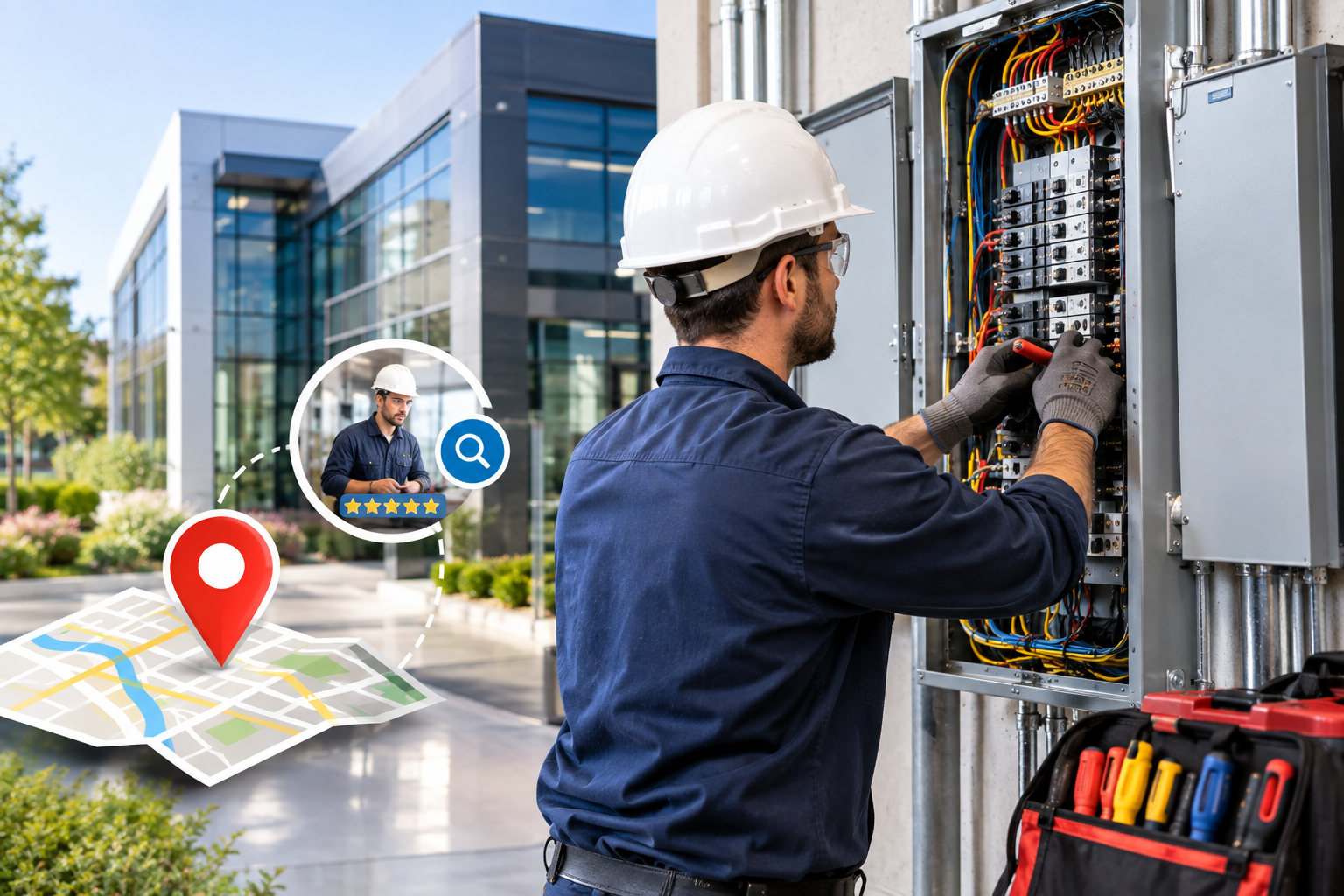
Electrical systems play an important role in the daily operation of commercial buildings, powering lighting, equipment, heating and cooling systems, security features, and other essential functions. When these systems require installation, maintenance, or repairs, businesses may need the services of an experienced commercial electrician.
Commercial electricians in Ohio handle a variety of electrical tasks, from wiring and lighting installation to troubleshooting, system upgrades, inspections, and repairs. Their work may vary depending on the type of commercial property, the complexity of its electrical system, and applicable safety and building requirements.
Choosing a local electrical professional involves more than simply finding someone who can perform the required work. Businesses may also need to consider experience, licensing, service availability, and familiarity with local requirements. This guide explains common commercial electrician services and provides useful information for finding qualified electrical experts in Ohio.
Common Commercial Electrical Services
Business properties rely on electrical systems that are larger, more complex, and more heavily used than those in a typical home. Understanding the range of commercial electrician services available helps you match the right expertise to your project. Below are the most common categories.
Wiring and Rewiring
Commercial wiring services cover new construction wiring, tenant build-outs, and the rewiring of older buildings. Because commercial spaces often use three-phase power and higher-capacity circuits, wiring must be planned around the building's layout and equipment loads. Older properties may need rewiring to replace outdated or damaged conductors.
Lighting Installation and Upgrades
Lighting affects safety, productivity, and energy bills. Electricians install and upgrade interior lighting, exterior and parking lot fixtures, emergency lighting, and exit signs. Many Ohio businesses switch to LED systems and controls such as occupancy sensors and dimmers to reduce energy use.
Panel and Power Distribution Upgrades
As a business adds equipment or expands, its electrical panels and switchgear may reach capacity. Electricians can evaluate your load, upgrade panels, and install sub-panels or new feeders. This work helps prevent tripped breakers, overheating, and downtime.
Troubleshooting and Commercial Electrical Repairs
Flickering lights, dead circuits, and frequently tripping breakers point to underlying problems. Commercial electrical repairs involve tracing the cause, whether a failing breaker, loose connection, or overloaded circuit, and correcting it safely. Prompt diagnosis often prevents small issues from becoming costly failures.
Inspections, Testing, and Code Compliance
Electricians perform inspections and testing to confirm that systems meet safety and building requirements. This can include checking grounding, testing circuit protection, and preparing a property for a municipal or insurance inspection.
Are you a commercial electrician serving businesses across Ohio?
List your business on Yellow Pages Ohio and connect with businesses searching for wiring, electrical repairs, lighting installation, panel upgrades, inspections, and professional commercial electrical services. Click here to register.
When Does Your Business Need a Commercial Electrician?
Many electrical problems give early warning signs, and others arise from planned changes to your property. Knowing when to call a commercial electrician can protect your equipment, employees, and customers. The situations below are the most common reasons businesses seek help.
Warning Signs of Electrical Problems
Call an electrician if you notice frequent breaker trips, flickering or dimming lights, buzzing sounds, burning smells, warm outlets, or discolored switch plates. Equipment that shuts down unexpectedly can also indicate power quality problems. These symptoms should never be ignored, as they may signal fire or shock hazards.
Renovations, Expansions, and New Construction
Build-outs, tenant improvements, and expansions almost always require electrical planning and permits. A commercial electrical contractor can design circuits for new equipment, relocate outlets, and add capacity. Bringing an electrician in early helps avoid costly changes later.
Equipment Installation and Increased Demand
Adding HVAC units, kitchen equipment, server rooms, EV chargers, or production machinery raises electrical demand. An electrician can confirm your system can handle the added load and install dedicated circuits where needed.
Emergencies and Outages
Power loss, sparking outlets, exposed wiring, or storm damage may require an emergency commercial electrician. Businesses that operate around the clock, such as restaurants, healthcare offices, and retail stores, benefit from knowing who to call before a crisis occurs.
Benefits of Hiring a Local Commercial Electrician in Ohio
Working with someone close to your business offers advantages that go beyond convenience. A local commercial electrician understands the region, its building requirements, and the pace at which businesses need to operate. Here is how that plays out in practice.
Faster Response Times
When power fails, every hour of downtime can cost money. Electricians based near your property can typically arrive sooner, which matters most during outages, storms, or urgent repairs. Proximity also makes scheduled maintenance visits easier to coordinate.
Familiarity with Ohio Codes and Permitting
Electrical work in Ohio must follow state building requirements, which are based on the National Electrical Code, along with local permitting and inspection procedures. A local electrician who regularly works with area inspectors is generally more familiar with what is expected, which can help projects move forward smoothly.
Accountability and Long-Term Relationships
A local commercial electrical company has a reputation in your community to maintain. That accountability often leads to better communication and follow-through. Over time, a trusted electrician also learns the details of your building, making future service faster and more efficient.
Support for the Local Economy
Hiring within your community keeps money local and strengthens business relationships in your area. Many local contractors also rely on referrals, which gives them added motivation to deliver reliable work.
Electrical Safety and Maintenance for Commercial Properties
Electrical failures are a leading cause of property damage and workplace hazards, so safety and upkeep deserve regular attention. Preventive care also helps extend the life of your equipment and reduces surprise repair costs. The following practices form the foundation of a sound maintenance approach.
Routine Inspections and Preventive Maintenance
Scheduled inspections allow electricians to catch loose connections, worn insulation, and overloaded circuits before they cause problems. Many businesses arrange annual or periodic inspections depending on their size and equipment. Infrared thermal scanning is one method used to identify hot spots in panels and connections that are invisible to the eye.
Overload and Fire Prevention
Overloaded circuits, misused extension cords, and power strips daisy-chained together are common risks in offices and retail spaces. Ensuring circuits are properly sized, and that equipment is plugged into appropriate outlets, reduces the chance of overheating. Keep the area around electrical panels clear and accessible at all times.
Safety Equipment and Compliance
Ground-fault circuit interrupters (GFCIs), arc-fault protection, surge protection, and emergency lighting all contribute to safety. Electrical work must also follow workplace safety standards, including those set by OSHA. A qualified electrician can help make sure your property's protective devices are in place and working correctly.
Employee Awareness
Staff should know where the main shutoff is, report flickering lights or burning odors immediately, and avoid attempting electrical repairs themselves. Clear reporting habits help you address hazards early.
Factors That Affect Commercial Electrical Service Costs
Pricing for electrical work varies widely because every property and project is different. Understanding what drives costs helps you budget realistically and compare quotes fairly. Keep in mind that the lowest price is not always the best value.
Project Size and Complexity
A simple outlet repair costs far less than a full building rewire or a switchgear upgrade. Larger projects require more materials, labor hours, and coordination. Work in occupied buildings may also need to be phased to limit disruption.
Materials and Equipment
The cost of wire, conduit, panels, fixtures, and specialty components changes with market conditions. Higher-grade or energy-efficient equipment may cost more upfront but can reduce operating expenses over time.
Labor, Licensing, and Timing
Rates depend on the skill level of the crew and the scope of work. Emergency calls, nights, weekends, and holidays usually carry premium rates. A licensed commercial electrician may charge more than an unlicensed operator, but licensing provides protection that is well worth the difference.
Permits, Inspections, and Building Conditions
Permit fees and required inspections add to project costs. Older buildings may reveal hidden issues, such as outdated wiring or code violations, that need to be addressed before new work can proceed.
Getting Value Without Cutting Corners
Businesses looking for an affordable commercial electrician should compare detailed written estimates rather than relying on price alone. Ask what is included, how change orders are handled, and whether the warranty covers both labor and materials. Preventive maintenance is often one of the most effective ways to keep long-term costs down.
How to Find a Qualified Commercial Electrician in Ohio
Finding the right electrician takes a bit of research, but the effort pays off in safer systems and fewer headaches. Focus on credentials, experience, and reputation. The steps below can help you narrow your search.
Verify Licensing and Credentials
In Ohio, electrical contractors performing commercial work are generally required to be licensed through the Ohio Construction Industries Licensing Board, and some cities have additional registration requirements. Look for a certified commercial electrician whose team includes trained journeymen or master electricians. You can confirm licenses through state and local licensing resources before signing a contract.
Check Experience with Similar Properties
A contractor who works on restaurants may not be the best fit for a warehouse or medical office. Ask about projects similar to yours in size and type. The right commercial electrical contractor will be comfortable discussing your building's specific demands.
Read Reviews and Ask for References
Online reviews, Google Business profiles, and Better Business Bureau listings provide useful insight. Better still, ask for references from businesses like yours and follow up with them. Consistent feedback about punctuality, communication, and quality of work is a good sign.
Confirm Insurance and Safety Practices
A reputable professional commercial electrician should carry liability insurance and workers' compensation coverage. This protects your business if accidents or damage occur on the job. Ask about the company's safety record and training practices.
Evaluate Availability and Support
Consider whether the company offers same-day service, after-hours support, and ongoing maintenance agreements. Availability is especially important if your business cannot afford extended downtime.
Questions to Ask Before Hiring a Commercial Electrician
A short conversation before hiring can reveal a lot about a contractor's professionalism. Prepare a list of questions so you can compare candidates on equal terms. These are worth asking during your initial consultation.
Questions About Qualifications
- Are you licensed in Ohio, and can I see proof of licensing and insurance?
- How long have you provided commercial electrical services in this area?
- Do your electricians have training or certifications relevant to my type of property?
Questions About the Project
- Will you provide a detailed written estimate, and what does it include?
- Who will handle permits and inspections?
- What is the expected timeline, and how will you minimize disruption to my operations?
- How do you handle unexpected issues or changes to the scope of work?
Questions About Service and Support
- Do you offer emergency service, and what are your response times?
- What warranty do you provide on labor and materials?
- Do you offer maintenance plans for ongoing inspections and upkeep?
Pay attention not only to the answers but also to how clearly and patiently they are given. A contractor who communicates well during the estimate stage is more likely to do so throughout the project.
Conclusion
Your electrical system is the backbone of your business, and the professional you choose to maintain it matters. By understanding common services, recognizing warning signs, and knowing what affects cost, you can make informed decisions with confidence. The best choice combines proper licensing, relevant experience, dependable availability, and familiarity with local requirements.
Take time to compare options, verify credentials, and ask the right questions before you commit. Whether you need a new installation, routine maintenance, or urgent repairs, partnering with a qualified local electrical expert helps keep your property safe, compliant, and running smoothly. Building that relationship before a problem arises puts your business in a stronger position when it counts.
FAQs About Commercial Electrician Services
How much do electricians charge per hour in Ohio?
Hourly rates vary based on experience, license level, and location, and they often fall somewhere between about $70 and $150. Emergency and after-hours calls typically cost more. Many contractors also charge a service call fee or provide flat-rate pricing for defined projects.
How much does it cost to rewire a building?
Costs depend on the building's size, age, and accessibility, as well as the type of wiring being installed. Larger or older structures generally cost more because of the added labor and potential repairs to walls and ceilings. A written on-site estimate is the most reliable way to get accurate pricing.
What is the difference between a journeyman and a master electrician?
A journeyman has completed an apprenticeship and passed a licensing exam, allowing them to perform electrical work under applicable rules. A master electrician has more experience and has passed a more advanced exam, and can typically plan projects, supervise crews, and pull permits.
How is electrical work for businesses different from home electrical work?
Business properties often use higher voltages, three-phase power, and larger loads, and they must meet stricter safety and building requirements. The scale of the equipment and the need to limit downtime also make the work more complex than typical household wiring.
How often should a business have its electrical system inspected?
Many businesses schedule inspections annually, though the right frequency depends on the age of the building, the equipment in use, and insurance or regulatory requirements. Older buildings and facilities with heavy equipment may benefit from more frequent checks.
Suggestions