
Amanda Wilson
How Much Does a Roofing Contractor Cost? A Complete Guide
Roofers
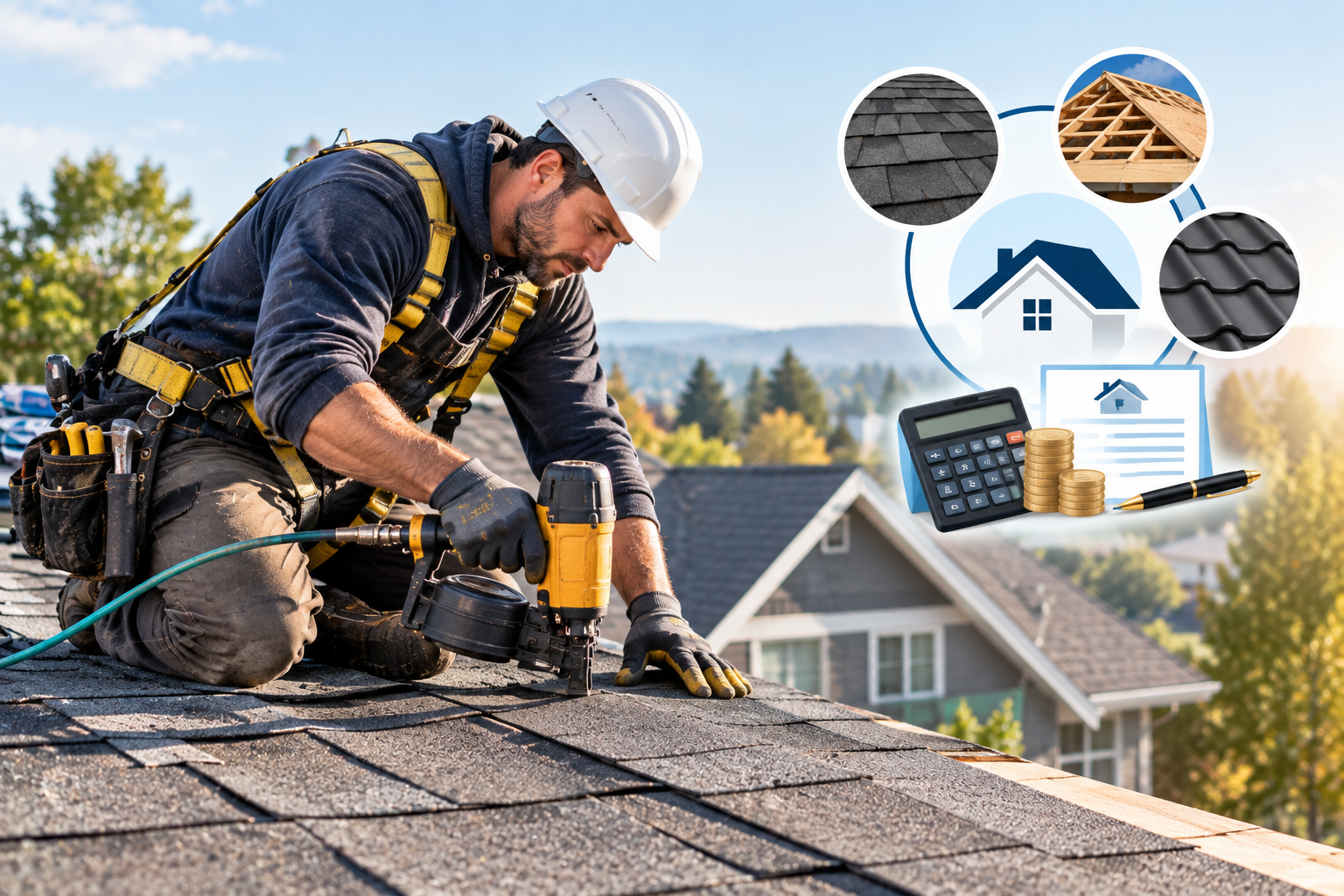
Hiring a roofing contractor is an important investment in your home, but figuring out how much the job will cost can be challenging. Roofing prices can vary widely based on several factors, including the size of your roof, the materials you select, the type of work needed, labor costs, and the complexity of the project.
Whether you need a simple repair, a partial replacement, or a completely new roof, having a clear understanding of potential costs can help you set a realistic budget and make informed decisions. Knowing what goes into a roofing estimate can also help you compare quotes and identify unexpected charges before work begins.
In this guide, we'll explore the average cost of hiring roofing contractors, the key factors that can affect your total expenses, and the differences between common roofing services. We'll also cover what to look for when reviewing estimates so you can approach your roofing project with greater confidence.
How Much Does a Roofing Contractor Cost?
On average, homeowners pay between $4 and $14 per square foot for professional roofing work, though small repairs can cost as little as a few hundred dollars while a full replacement on a large or complex roof can exceed $40,000. Most residential jobs fall somewhere in the $6,000 to $22,000 range once materials, labor, and permits are factored in. The exact number depends heavily on what type of work you need, so it helps to break costs down by project type before requesting quotes.
Are you a roofing contractor serving homeowners across Ohio?
List your business on Yellow Pages Ohio and connect with homeowners searching for roof repairs, replacements, inspections, and professional roofing services. Click here to register.
What Factors Affect Roofing Contractor Costs?
Several variables combine to determine your final price, and understanding them makes it easier to interpret quotes from a roofing contractor and spot where costs are coming from.
Roof Size and Pitch
The larger your roof, the more materials and labor hours are required, so contractors typically price by the "square" (100 square feet). A steep or multi-level roof also takes longer to work on safely, which increases labor costs compared to a simple, low-slope design. Roofers often need additional safety harnesses, scaffolding, or roof jacks on steep-pitch homes, and that added setup time gets reflected in the final quote. If you're unsure of your roof's size, a contractor can measure it during an on-site inspection, or you can estimate it by multiplying your home's square footage by roughly 1.5.
Roofing Material
Material choice has one of the biggest impacts on price. Asphalt shingles remain the most budget-friendly option, while metal, tile, and slate cost significantly more upfront but often last decades longer. Beyond the sticker price, it's worth thinking about long-term value: a pricier material that lasts 50 years may cost less per year of use than a cheaper option you'll need to replace twice in that same period. Climate also plays a role, since some materials handle heavy snow, high winds, or intense sun better than others.
Labor Costs
Labor typically makes up 40% to 60% of a roofing project's total cost. Rates vary by region, crew experience, and whether the job requires specialized skills, such as installing standing-seam metal or natural slate. Highly rated crews with strong reviews and manufacturer certifications often charge more per hour, but that premium can pay off through faster installation, fewer callbacks, and stronger workmanship warranties. Urban markets with a higher cost of living also tend to carry noticeably higher labor rates than smaller towns.
Roof Complexity and Condition
Roofs with multiple valleys, dormers, skylights, or chimneys take longer to install and require more precise flashing work. If your existing decking is damaged or rotted, repairing it adds to the total before new roofing material is even installed. Contractors typically can't fully assess decking condition until the old roofing is removed, which is why many estimates include a contingency line for unforeseen repairs. Being upfront about known issues, like a history of leaks around a chimney, helps your contractor price the job more accurately from the start.
Removal and Disposal of the Old Roof
Tearing off and hauling away old roofing materials adds cost, particularly if there are multiple existing layers. Some contractors include this in their base estimate, while others itemize it separately. Multi-layer tear-offs take longer and generate more debris, which can increase both labor time and dumpster fees. Ask whether your quote covers a single layer or multiple layers, since this is a common area where final costs end up higher than the initial estimate.
Permits and Local Regulations
Most cities and counties require a roofing permit for replacement work, and fees can range from under $100 to several hundred dollars depending on your location. Permit requirements can also affect timeline, since some jurisdictions require inspections at specific stages of the project before work can continue. A licensed roofing company will typically handle the permitting process on your behalf, which is worth confirming before signing a contract.
How Much Does Roof Repair Cost?
Roof repair costs depend heavily on the size and severity of the damage, as well as how easy the problem area is to access.
Minor Repairs
Small fixes, such as sealing a pipe boot, replacing a handful of shingles, or patching a small leak, typically cost between $300 and $1,200. Diagnosis can sometimes take longer than the actual fix, since water often travels along rafters before showing up as a visible leak. Experienced roofers often use moisture meters or infrared cameras to trace the true source of a leak, which helps avoid repeat visits and ensures the repair addresses the actual problem rather than just the symptom.
Moderate Repairs
Larger patches, flashing replacement, or repairs involving damaged underlayment or decking generally run from $1,200 to $4,000. These jobs often require more labor hours and additional materials beyond simple sealant or shingles. If the damage extends to the plywood decking underneath, expect the price to climb further, since rotted or water-damaged sections need to be cut out and replaced before new roofing material can be installed properly. Color-matching existing shingles can also add a small premium if your roof is several years old and the original product is discontinued.
When Repair Turns Into Replacement
If damage is widespread, or your roof is nearing the end of its expected lifespan, a contractor may recommend replacement instead of continued repairs. At that point, ongoing roof maintenance services become less cost-effective than a full reroof. A good rule of thumb: if repair costs are approaching 30% or more of a full replacement, or if your roof is already past 20 years old, it's usually worth getting a replacement quote for comparison before committing to another round of patches.
How Much Does a Roof Replacement Cost?
A full roof replacement is a bigger investment, but it resets your roof's lifespan and can improve your home's energy efficiency and resale value.
Cost by Roof Size
For the average U.S. home with a 1,700-square-foot roof, replacement typically costs between $8,500 and $24,000 depending on material. Larger roofs scale up accordingly, with a 3,000-square-foot roof often costing $15,000 to $42,000. Smaller homes and additions with roofs under 1,200 square feet can sometimes see replacement costs starting closer to $6,000, though minimum project fees may apply regardless of size since setup, permitting, and crew mobilization costs stay relatively fixed.
Cost by Location and Access
Homes in metropolitan areas tend to see higher labor rates due to cost of living, while roofs with limited access, steep pitches, or tall structures require additional safety equipment and time, raising the overall price. Homes surrounded by tight landscaping, fencing, or narrow driveways can also add cost, since crews may need extra time to move materials and equipment onto the roof safely. Coastal and high-wind regions sometimes require reinforced fastening systems, which can add a modest premium as well.
Return on Investment
Roof replacement services typically offers a strong return on investment, with many homeowners recovering 20% to 50% of the project cost through increased home value at resale, in addition to avoiding costlier structural repairs down the road. A new roof can also lower home insurance premiums in some cases, since insurers often view a recently replaced roof as lower risk. Buyers frequently see roof age as a major factor during home inspections, so a newer roof can also help a sale move more smoothly.
How Roofing Materials Affect the Total Cost
The material you choose has a major influence on both upfront cost and long-term value, so it's worth weighing durability against your budget.
Asphalt Shingles
Asphalt remains the most common and affordable choice, typically ranging from $3.75 to $7 per square foot installed, with a lifespan of 15 to 30 years. Within asphalt, options range from basic three-tab shingles to thicker architectural shingles, which cost more but offer better wind resistance and a longer warranty. Because asphalt is so widely used, replacement parts and matching materials are usually easy to find if repairs are needed later.
Metal Roofing
Metal roofing costs more upfront, generally $8 to $16 per square foot, but can last 40 to 70 years and offers strong energy efficiency benefits. Metal reflects more solar heat than asphalt, which can noticeably reduce cooling costs in warmer climates. It also holds up well against fire, high winds, and heavy snow, making it a popular choice in regions prone to severe weather, though installation requires specialized skill and equipment.
Tile and Slate
Clay or concrete tile and natural slate are premium options, often running $10 to $20 per square foot. They offer exceptional longevity, sometimes exceeding 75 to 100 years, but require reinforced structural support. Because these materials are heavy, older homes may need a structural assessment before installation to confirm the roof framing can support the added weight. Tile and slate also tend to command higher labor costs, since installation is slower and requires specialized experience.
Wood Shake
Wood shake shingles fall in the mid-to-upper price range, typically $4.50 to $9 per square foot, and provide a distinctive appearance but need more frequent maintenance in humid climates. Regular treatment against moss, rot, and insects is often necessary to maximize lifespan, and some local fire codes restrict or require fire-treated wood shake in high-risk wildfire areas, which is worth checking before choosing this material.
What Is Included in a Roofing Contractor's Estimate?
A detailed estimate helps you understand exactly what you're paying for and reduces the risk of surprise charges once work begins.
Materials and Labor Breakdown
A thorough estimate should list the cost of roofing material separately from labor, so you can compare pricing across multiple quotes accurately. This breakdown also makes it easier to spot where one contractor may be using higher-grade materials than another, even if their total price looks similar. Ask for the specific product names and warranty lengths of the materials listed, rather than just a general category like "shingles."
Tear-Off, Disposal, and Permits
Look for line items covering removal of the old roof, dumpster or hauling fees, and any required permit costs, since these are sometimes left out of low initial quotes. A noticeably cheaper bid may simply be excluding these items, only to add them back as surprise charges once the project is underway. Confirming these details upfront protects you from unexpected costs mid-project.
Warranty and Workmanship Guarantee
A reputable professional roofing contractor will specify both the manufacturer's material warranty and their own workmanship warranty, which protects you if issues arise after installation. Material warranties typically range from 20 to 50 years depending on the product, while workmanship warranties from the contractor are usually shorter, often 1 to 10 years. Understanding the difference matters, since a failure caused by poor installation may only be covered under the contractor's warranty, not the manufacturer's.
Timeline and Payment Schedule
Estimates should also include an expected project timeline and a clear payment structure, so you know what's due before, during, and after the job is completed. Most reputable contractors avoid requiring full payment upfront, instead structuring payments around project milestones, such as a deposit, a payment at material delivery, and a final payment upon completion and inspection.
How to Choose a Roofing Contractor Within Your Budget?
Finding the right balance between cost and quality takes some research, but a few key steps can help you avoid overpaying or hiring an unqualified crew.
Get Multiple Quotes
Request at least three estimates from different roofing companies so you can compare pricing, scope of work, and included services side by side. Try to request quotes for the same scope of work from each contractor, since comparing a basic asphalt quote to a premium architectural shingle quote won't give you an accurate price comparison. Ask each contractor to explain any significant differences in price so you understand what's driving the gap.
Verify Licensing and Insurance
Always confirm that a roofing company carries proper licensing and liability insurance before signing a contract, since this protects you from liability in case of accidents on your property. You can typically verify a contractor's license status through your state's licensing board website, and it's reasonable to ask for a copy of their current insurance certificate directly.
Ask About Experience With Your Roof Type
Whether you need residential roofing services or commercial roofing services, choose a contractor with proven experience in that specific category, as skill requirements differ significantly between home reroofs and large commercial flat-roof systems. Ask to see photos or references from similar past projects, particularly if your home has an uncommon material or roof shape, to confirm the crew has relevant hands-on experience.
Consider Long-Term Value, Not Just Price
The lowest bid isn't always the best value. A slightly higher quote from an experienced contractor offering strong roof replacement services and a solid warranty can save you money on repairs down the line. Factor in the contractor's reputation, communication style, and responsiveness during the quoting process too, since these often reflect how the project will actually go once work begins.
Conclusion
The cost of hiring a roofing contractor depends on a wide range of factors, from roof size and material to labor rates and project complexity. Minor repairs might only cost a few hundred dollars, while a full roof replacement can range from several thousand to tens of thousands of dollars depending on your chosen material and roof design. By understanding these cost drivers and carefully reviewing estimates from multiple providers, you can budget confidently and select a contractor who offers both fair pricing and reliable roofing maintenance services for years to come.
FAQs About Roofing Contractor Costs
How much does it cost to replace a roof on a 2,000 sq. ft. house?
For a 2,000-square-foot roof, replacement typically costs between $10,000 and $28,000, depending on the material chosen and regional labor rates.
Is it cheaper to repair or replace a roof?
Repairs are almost always cheaper in the short term, often costing a few hundred to a few thousand dollars. However, if your roof has widespread damage or is near the end of its lifespan, replacement may be more cost-effective long-term.
Does homeowners insurance cover roof replacement?
Most policies only cover roof damage caused by sudden events like storms, fire, or fallen trees. Normal wear and aging typically are not covered, so it's important to review your specific policy.
How much does labor cost for roofing?
Labor typically accounts for 40% to 60% of the total project cost and can range from roughly $60 to $120 per hour depending on region and crew experience.
Should I get multiple quotes before hiring a roofer?
Yes. Getting at least three quotes helps you compare pricing, spot outliers, and better understand what's included in each estimate before making a decision.
Suggestions