
Jessica Davis
Professional Drain Cleaning Services in Ohio: What to Expect
Plumbers
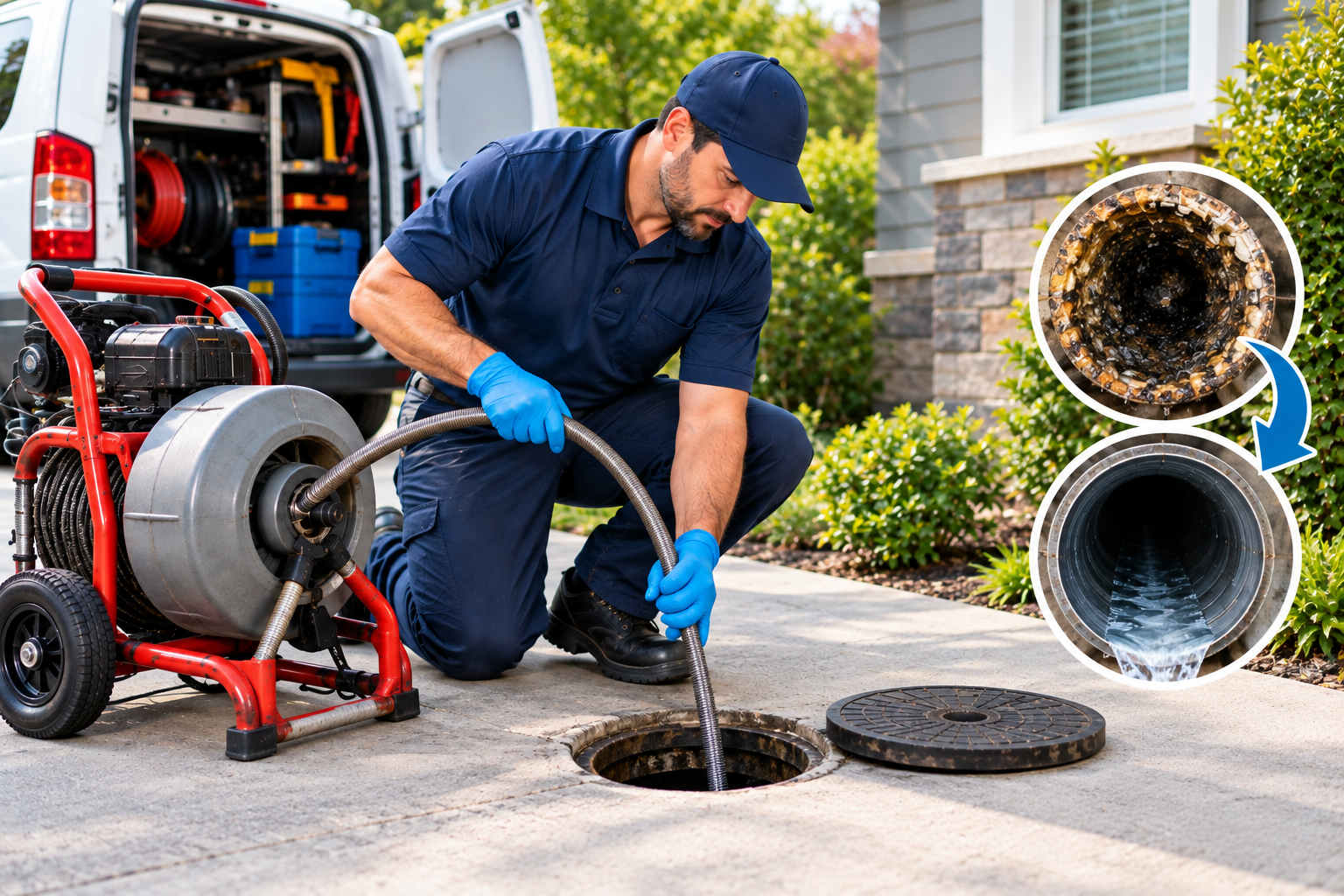
Drain clogs can occur when grease, food particles, hair, soap residue, mineral deposits, or other materials build up inside a plumbing system. While minor blockages may sometimes be cleared with basic household methods, recurring or severe clogs can indicate a deeper problem that requires professional attention.
Professional drain cleaning services are designed to identify and remove blockages from pipes and drains using specialized equipment and techniques. The process may include inspecting the plumbing system, locating the blockage, selecting an appropriate cleaning method, and testing the drain after the work is completed.
For Ohio homeowners, understanding how professional drain cleaning works can help determine when a service may be necessary and what to expect during an appointment. This guide explains the common causes of drain blockages, professional cleaning methods, typical service steps, potential costs, and ways to reduce the likelihood of future clogs.
What Are Professional Drain Cleaning Services?
Professional drain cleaning services involve trained plumbers using specialized tools to locate, break up, and remove blockages from a home's pipes. Unlike store-bought drain cleaners, which typically only address the surface of a clog, these services are meant to clear the full length of a pipe and restore proper water flow. They can be used on individual fixtures, like a kitchen sink or bathtub, or applied to a home's main sewer line when multiple drains are affected at once.
How These Services Differ From DIY Methods
A plunger, a drain snake from a hardware store, or a chemical cleaner may resolve a simple, shallow clog. However, these tools generally can't reach blockages located deep within the pipe system or clear buildup that has hardened over time. A licensed plumber has access to commercial-grade equipment, diagnostic tools, and training that allow for a more thorough and lasting solution, particularly when a clog keeps coming back.
Are you a professional plumber providing drain cleaning services in Ohio?
Get your business listed on Yellow Pages Ohio and make it easier for local homeowners to find you for clogged drains, sewer line cleaning, hydro jetting, and other plumbing services. Click here to register your business today.
What Causes Drain Clogs in Ohio Homes?
Drain blockages develop for a variety of reasons, and Ohio's climate, older housing stock, and hard water conditions can contribute to certain issues more than others. Recognizing the common causes can help homeowners understand why a clog occurred and what steps might prevent it from happening again.
Grease, Fat, and Food Buildup
In kitchen drains, cooking grease, oils, and food particles are among the most frequent culprits. Grease may appear liquid when poured down a sink, but it solidifies as it cools inside the pipe, gradually narrowing the space water can pass through.
Hair and Soap Residue
Bathroom drains commonly clog from a combination of hair and soap scum. Hair strands can catch on minor pipe imperfections and create a web-like blockage that traps additional debris over time, including soap residue and skin cells.
Hard Water and Mineral Deposits
Many areas of Ohio have moderately hard water, meaning it carries higher levels of calcium and magnesium. Over years of use, these minerals can build up along the interior walls of pipes, narrowing their diameter and making them more prone to clogging.
Tree Root Intrusion
Older Ohio neighborhoods often have mature trees with extensive root systems. Tree roots are naturally drawn to the moisture inside sewer lines and can infiltrate small cracks or joints, eventually growing large enough to block or damage the pipe entirely.
Aging Pipes and Infrastructure
Many homes in Ohio's older cities, including Columbus, Cleveland, and Cincinnati, still have original plumbing that may be decades old. Cast iron and clay pipes can corrode, shift, or crack over time, creating rough interior surfaces where debris collects more easily.
What to Expect During a Professional Drain Cleaning Service
Understanding the general process of a drain cleaning service can help homeowners feel more prepared for an appointment and know what questions to ask the technician.
Initial Assessment and Questions
A plumber typically begins by asking about the symptoms, such as which fixtures are affected, how long the issue has been occurring, and whether it's the first time or a recurring problem. This information helps narrow down the likely location and cause of the blockage before any equipment is used.
Camera Inspection of the Pipes
For many jobs, especially recurring clogs or main line issues, a plumber may insert a small waterproof camera into the pipe. This allows them to see the interior condition of the pipe in real time, pinpoint the exact location of the blockage, and identify whether the issue is debris, root intrusion, or a structural pipe problem.
Selecting the Right Cleaning Method
Once the cause and location are identified, the plumber chooses an appropriate method based on the pipe material, the type of blockage, and its severity. Not every situation calls for the same approach, which is why an accurate diagnosis matters before any work begins.
Clearing the Blockage
The technician then uses the selected equipment to break up and remove the clog. Depending on the method, this step can take anywhere from a few minutes for a minor blockage to a couple of hours for a more extensive main line issue.
Testing and Final Walkthrough
After the blockage is cleared, water is run through the drain to confirm it flows properly. Many plumbers will also explain what caused the clog and offer suggestions to help prevent it from recurring, such as adjusting habits around what goes down the drain.
Common Methods Used for Professional Drain Cleaning
There are several techniques used in professional drain cleaning, and the right one depends on the type and severity of the blockage.
Drain Snaking (Cabling)
A drain snake, or auger, is a flexible metal cable that's fed into the pipe to break apart or hook onto a clog and pull it out. This method works well for localized blockages, such as hair clogs in a bathroom drain, and is one of the more commonly used approaches for routine service calls.
Hydro Jetting
Hydro jetting uses a high-pressure stream of water to scour the interior walls of a pipe, breaking apart grease, mineral buildup, and debris while flushing it out completely. This method is often recommended for more severe or recurring clogs because it cleans the entire diameter of the pipe rather than just creating a hole through the blockage.
Chemical and Enzyme Treatments
Professional-grade enzyme or bio-based treatments can be used to break down organic material in pipes over time. These are generally considered safer for pipes than retail chemical drain cleaners and are sometimes used as a maintenance step rather than an emergency fix.
Video Camera Diagnostics
While primarily a diagnostic tool rather than a cleaning method, camera inspections are often paired with the cleaning process itself. They allow a technician to confirm the blockage has been fully cleared and to check for any underlying pipe damage that might need separate repair.
How Much Do Drain Cleaning Services Cost in Ohio?
Costs for drain cleaning services can vary based on several factors, and getting a general sense of typical pricing can help homeowners budget for the service or evaluate a quote.
Factors That Influence Pricing
The cost of a service call typically depends on the severity and location of the clog, the method required to clear it, the accessibility of the pipe, and whether a camera inspection is included. A simple sink clog cleared with a snake will generally cost less than a main sewer line blockage that requires hydro jetting.
Typical Price Ranges
In many parts of Ohio, basic drain cleaning services for a single fixture often fall in the range of roughly $100 to $300, while more involved main line cleaning or hydro jetting can range from approximately $300 to $600 or more, depending on the extent of the blockage and the equipment needed. These figures can vary by region and provider, so it's worth requesting a written estimate before work begins.
Cost Considerations for Emergency Service
Emergency drain cleaning performed outside of normal business hours, such as overnight or on a weekend, typically carries a higher rate than a scheduled daytime appointment. Homeowners dealing with a backup that's actively causing damage may still find this worthwhile to prevent further issues, but it's helpful to ask about after-hours rates in advance when possible.
When Should You Hire a Professional Drain Cleaning Service?
While some clogs are minor enough to handle with basic tools, certain signs suggest it's time to contact a drain cleaning company rather than continuing to attempt a DIY fix.
Recurring or Multiple Clogs
If a single drain clogs repeatedly despite regular clearing attempts, or if multiple drains throughout the home are slow or backing up at the same time, this often points to a larger issue further down the plumbing system, such as a main line blockage, that a drain cleaning plumber is better equipped to diagnose.
Slow Drainage Across Fixtures
Water that drains slowly in more than one sink, tub, or shower can be a sign of a developing clog in a shared line rather than an isolated problem at a single fixture. Addressing it early, through routine drain maintenance services, can help prevent a complete blockage later on.
Unpleasant Odors or Gurgling Sounds
Persistent sewage-like odors coming from drains, or gurgling noises when water is running, may indicate trapped debris or a venting issue within the plumbing drain cleaning system that needs professional evaluation rather than a quick surface fix.
Water Backing Up Into Other Fixtures
If running the washing machine causes water to back up into a nearby shower or floor drain, this typically signals a blockage in a shared drain line. This type of issue generally isn't something that can be resolved with a plunger and often calls for residential drain cleaning from a licensed plumber.
Visible Water Damage or Flooding
Standing water, damp flooring, or visible water stains near drains or in a basement can indicate an active blockage or pipe issue. In situations where water is actively backing up or flooding, contacting an emergency drain cleaning provider right away can help limit property damage.
Conclusion
Drain clogs are a common household issue, but their causes and severity can vary widely, from simple hair and soap buildup to deeper problems like tree root intrusion or aging pipes. Professional drain cleaning services use specialized diagnostic tools and equipment to accurately locate blockages and clear them more thoroughly than typical DIY methods allow.
For Ohio homeowners, being aware of local factors like hard water, mature tree roots, and older plumbing infrastructure can make it easier to recognize warning signs early. Scheduling routine drain maintenance services and addressing recurring symptoms promptly, rather than waiting for a complete blockage, can help protect a home's plumbing system and reduce the likelihood of costly repairs down the road.
FAQs About Drain Cleaning Services
How often should drains be professionally cleaned?
Many plumbers recommend a professional cleaning or inspection once a year for typical households, though homes with older pipes, hard water, or frequent clogs may benefit from more regular maintenance.
Is hydro jetting safe for old pipes?
Hydro jetting can be safe for most modern pipe materials, but a plumber should first inspect older or fragile pipes with a camera to confirm they can withstand the water pressure before proceeding.
Can I use chemical drain cleaners before calling a plumber?
Occasional use for minor clogs is generally low risk, but frequent use of harsh chemical cleaners can corrode pipes over time and may make it harder for a technician to safely clear the drain afterward.
How long does a typical drain cleaning appointment take?
A single-fixture clog can often be cleared in 30 minutes to an hour, while a main sewer line service, especially one involving hydro jetting or camera inspection, may take one to two hours or longer.
Do I need a permit for drain or sewer line work in Ohio?
Routine drain cleaning typically doesn't require a permit, but more extensive sewer line repairs or replacements may require one depending on local city or county regulations, so it's worth checking with the plumbing company beforehand.